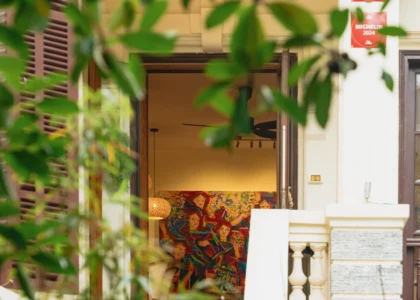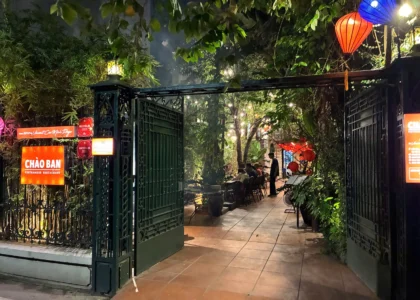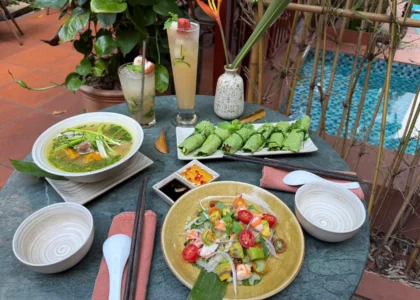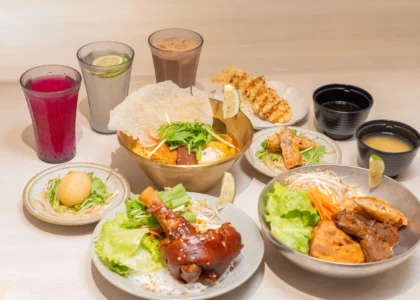

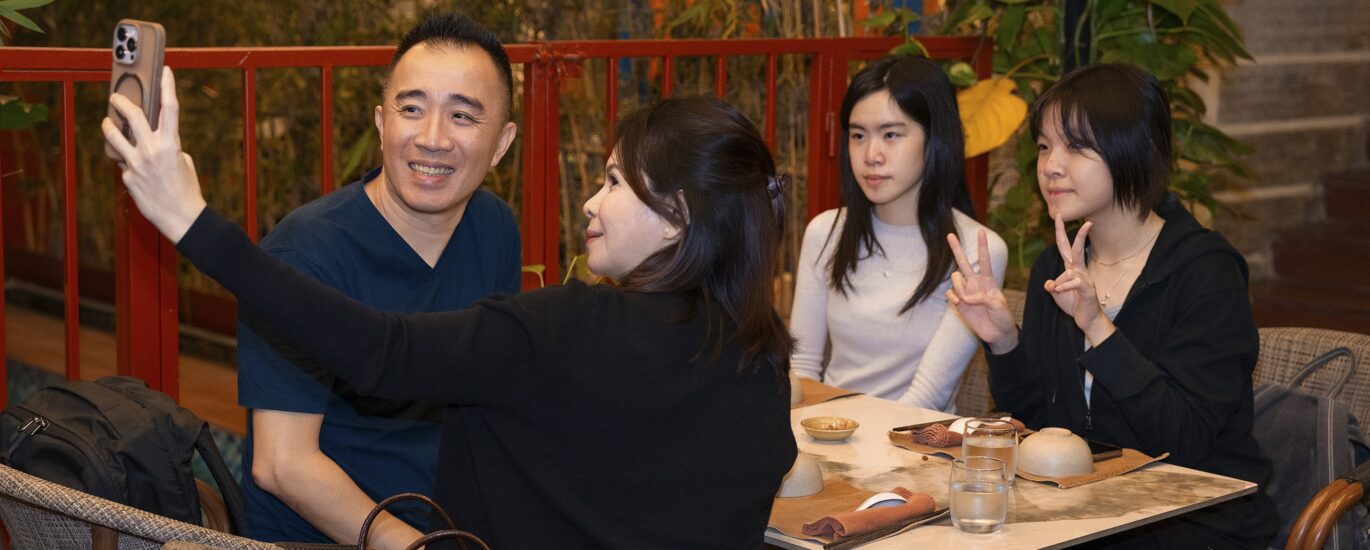
“The abundance of fresh ingredients and the diversity of cooking techniques create regional variations that define the unique flavors of Vietnamese cuisine. It is a symphony of taste that leaves diners in constant amazement every time they enjoy Vietnamese food,” shares Chef Vincent Cao Minh Page, Founder of Chào Bạn Vietnamese Restaurant.
Vietnamese cuisine has long been more than a source of national pride. It has become a culinary destination that captivates international diners around the world. While pho and banh mi were among the first ambassadors to introduce Vietnam’s flavors globally, few would expect that humble Vietnamese dishes foreigners love – such as fried spring rolls (nem ran), caramelized pork, or bun bo Nam Bo – would also earn endless praise from global food lovers. So what truly makes Vietnamese food win hearts worldwide?
Vietnamese Cuisine Through International Eyes
For many first-time visitors to Vietnam, food becomes the most unforgettable part of their journey. Numerous international media outlets and foreign travelers have openly expressed their admiration for Vietnamese dishes.
In Hanoi, nem ran (also known as cha gio) is not only a traditional dish but has also been ranked among the “100 Best Fried Foods in the World” by the reputable food guide TasteAtlas. It previously appeared on CNN’s list of the “50 Best Foods in the World.” These accolades have encouraged international diners to try the dish, and they consistently praise its crispy golden wrapper, flavorful filling, and signature sweet-and-sour dipping sauce.
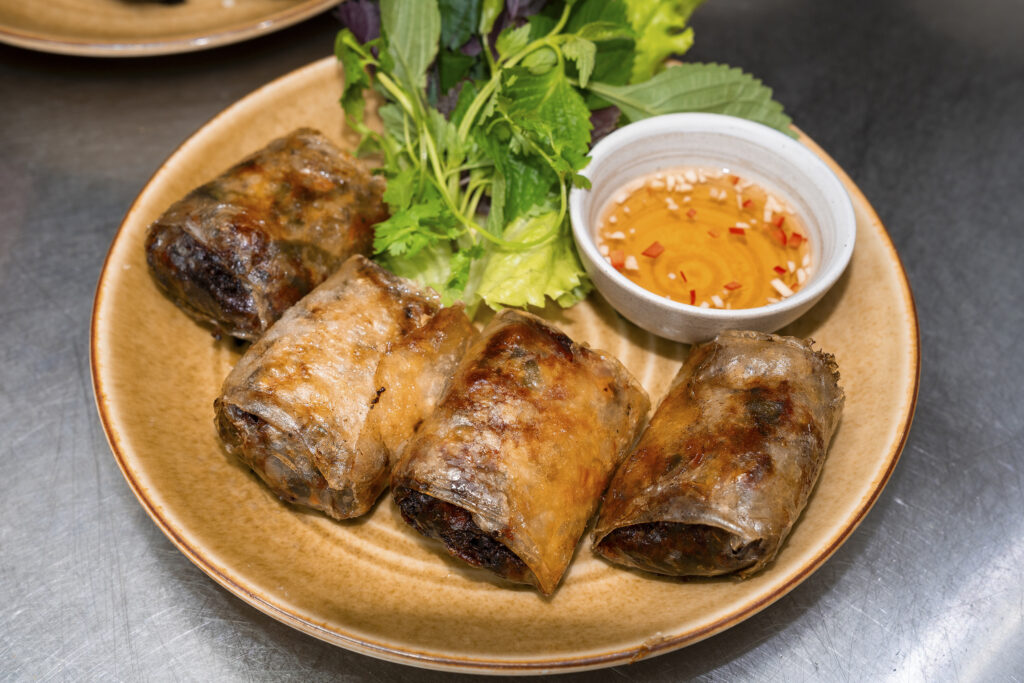
Beyond being a street food staple, many international visitors describe nem ran as an “essential highlight” of the Vietnamese dining experience in Hanoi’s Old Quarter, often marveling at its surprisingly rich flavor and excellent value.
Meanwhile, bun bo Nam Bo has been featured on international food platforms such as CNN as one of the “must-try street foods in Vietnam.” For many foreigners, it is a dish they remember long after leaving, thanks to the harmonious combination of tender beef, fresh herbs, crunchy peanuts, and the distinctive sweet-and-sour fish sauce.
Even simpler Vietnamese dishes like caramelized pork cooked in coconut water – considered the soul of a traditional family meal – leave a strong impression on international guests. The tender texture and deeply comforting flavors help diners feel more connected to Vietnamese culinary culture than almost any other dish.
Likewise, modest home-style dishes such as braised eggplant with tofu, often found in everyday Vietnamese meals, are praised by international food bloggers for their “soft, delicate harmony of flavors-light yet deeply satisfying,” surprising many first-time tasters with how delicious simplicity can be.
Fresh Ingredients: The Foundation of Vietnamese Flavor
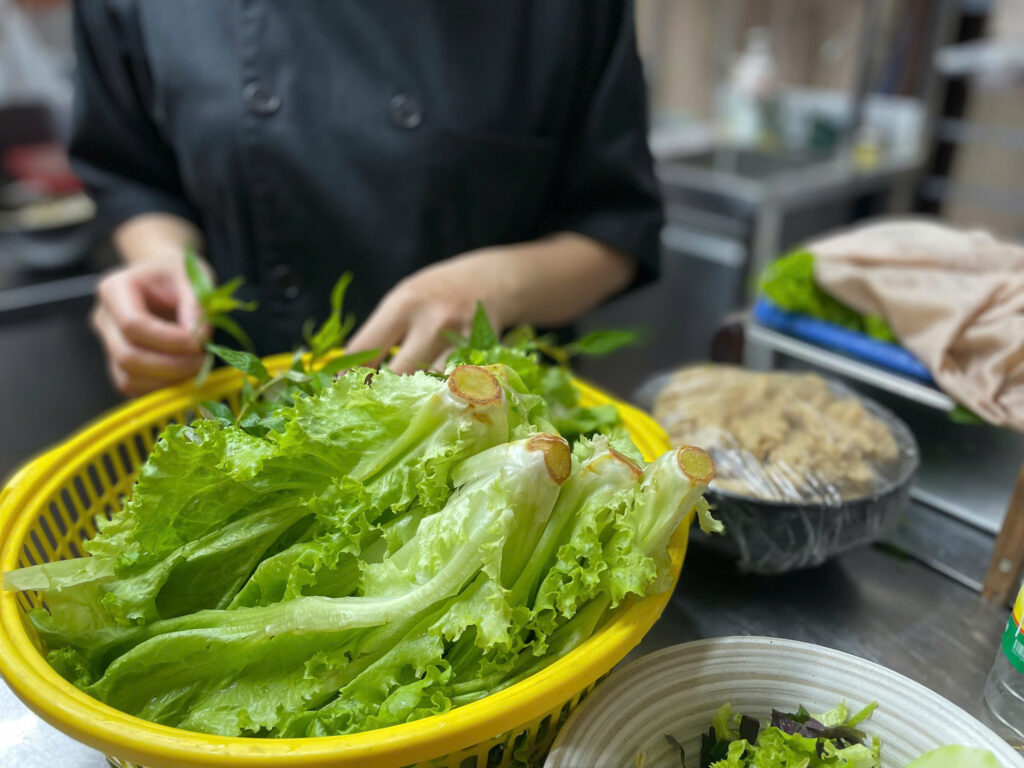
One of the most important elements behind Vietnamese cuisine is the use of fresh, high – quality ingredients – from aromatic herbs and traditional fish sauce to locally sourced meats and seafood. Most Vietnamese dishes revolve around the concept of freshness, creating meals that feel vibrant and well-balanced, especially appealing to Western diners accustomed to richer, heavier flavors.
This is why dishes like pho, bun bo Nam Bo, nem ran, and caramelized pork leave such lasting impressions. International guests not only admire their flavors but also appreciate the delicate balance between natural sweetness and layered seasonings that are both complex and light at the same time.
Regional Diversity in Flavor
Vietnamese cuisine is not confined to a single formula. Each region carries its own culinary identity, and together they form a richly colorful gastronomic landscape. From the bold, spicy notes of Central Vietnam’s bun bo Hue to the refined, subtle flavors of Northern dishes and the fresh, vibrant tastes of Southern cuisine, every dish bears a distinct sense of place.
This diversity allows foreign diners to experience more than just a meal. It becomes a journey of flavors across regions, each offering something new and memorable. This variety is one of the key reasons Vietnamese cuisine remains so irresistibly appealing worldwide.
Chào Bạn Vietnamese Restaurant: Telling the Story of Vietnamese Cuisine in Its Own Way
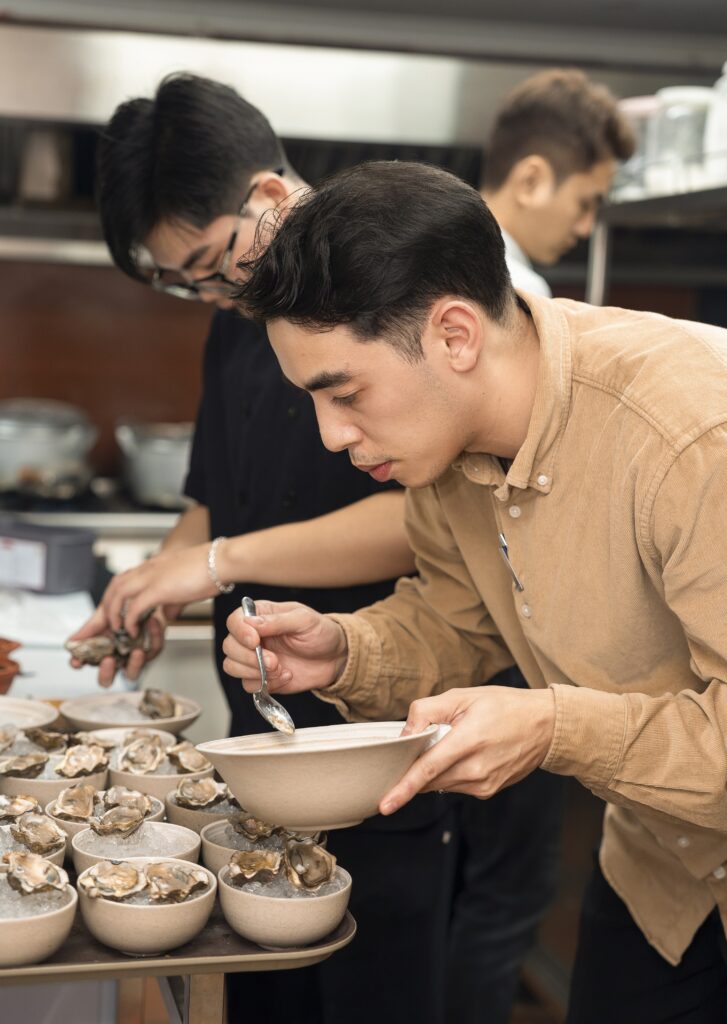
At Chào Bạn Vietnamese Restaurant, the goal is not simply to serve food, but to tell the story behind every recipe. The restaurant believes that to truly connect with international diners, Vietnamese cuisine must not only taste exceptional but also be presented with clarity, care, and cultural context.
At Chào Bạn restaurant, each dish is prepared using fresh ingredients and authentic Vietnamese recipes, while flavors are thoughtfully adjusted to suit guests from different cultural backgrounds. For example, nem ran is served with a dipping sauce balanced perfectly between sour, sweet, and savory; bun bo Nam Bo is mixed to ensure fresh herbs and beef blend harmoniously without overpowering Western palates, while still preserving its signature freshness.
The space at Chaobansince2020byVincentCaoMinhPage is designed to help international guests feel the Vietnamese spirit – from table settings, artwork, and decorative details to gentle background music and attentive service. Staff take the time to explain each dish’s origin and the best way to enjoy it, demonstrating how cuisine can nourish not only the appetite but also cultural understanding.
Vietnamese cuisine is truly a journey of taste-from humble comfort food to refined culinary artistry, from tradition to creativity. The praise from international visitors comes not only because the food is delicious, but because it offers a deeper experience of culture, people, and lifestyle. It is this richness, balance of flavors, and constant creativity that has positioned Vietnamese cuisine among the world’s most beloved.
Experience Vietnamese cuisine in your own way – where every dish tells its own story. Make a reservation today at Chào Bạn Vietnamese Restaurant, a leading Vietnamese restaurant in Tay Ho and one of the best Vietnamese restaurants Hanoi has to offer, and let your journey through Vietnam begin with your taste buds.